ADMISSION OPEN - CONTACT: +91 76783 77155, EMAIL: ipsmlittlewonders@gmail.com, Working Hours: 9:00AM - 4:00PM
Play School (Pre-Nursery): The First Step in a Child’s Educational Journey
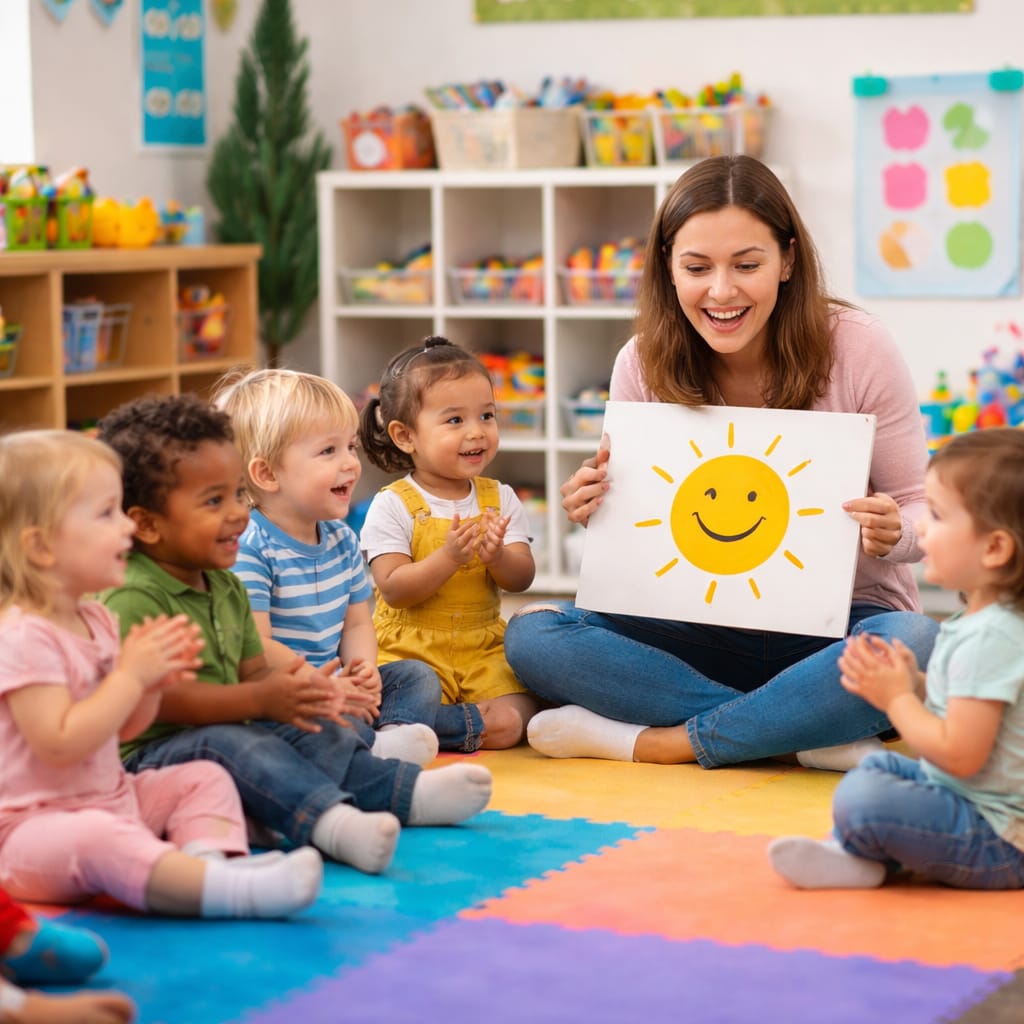
Play school, also known as pre-nursery, is the first formal step in a child’s educational journey. It serves as a bridge between the comfort of home and the structured environment of school life. Designed for children typically between the ages of 2 to 4 years, play school focuses more on holistic development than academic learning. It lays the foundation for social, emotional, cognitive, and physical growth through play-based activities.
What is Play School (Pre-Nursery)?
Play school is an informal educational setting designed for children typically between the ages of 2 to 4 years. Unlike traditional schooling, the emphasis here is not on textbooks or exams but on learning through play and interaction. The idea is simple yet powerful: children learn best when they are engaged, happy, and exploring their surroundings freely.
Importance of Play-Based Learning
Play-based learning is the heart of pre-nursery education. It helps children develop essential skills without the pressure of formal instruction. For instance, when a child plays with blocks, they are not just having fun—they are learning about shapes, balance, and problem-solving. Similarly, group activities teach sharing, cooperation, and communication.
Social and Emotional Development
One of the biggest benefits of play school is the opportunity for children to interact with peers. For many children, this is their first experience outside the home environment. They learn how to make friends, share toys, take turns, and resolve small conflicts.
Role of Teachers in Play Schools
Teachers in pre-nursery play a unique and important role. They are not just instructors but caregivers, facilitators, and guides. They observe each child’s behavior, interests, and pace of learning, and adapt activities accordingly.
Benefits of Attending Play School
The benefits of play school extend far beyond early education. Children who attend pre-nursery are generally more confident, socially active, and better prepared for formal schooling. They develop a positive attitude toward learning, which stays with them throughout their academic journey.
Play school also helps in identifying a child’s interests and strengths at an early stage. Whether it is music, art, or problem-solving, these early observations can guide future learning paths.
Conclusion
Play school (pre-nursery) is much more than a preparatory stage for formal education. It is a space where children explore, learn, and grow in a nurturing environment. Through play-based learning, social interaction, and creative act…
Back to All Blogs